SANAA Experience

Neuroregeneration · Cerebral palsy

Cerebral palsyA complement to rehabilitation

A stem cell protocol aimed at stimulating neuroplasticity and reducing neurological inflammation. It complements physiotherapy and other therapies; it does not replace them. We do not promise a cure: we aim for measurable functional gains.

Confirmed diagnosis · Complement to rehabilitation · 2 to 4 sessions over 6 to 12 months · First consultation of 45 minutes

Quick answer

What are stem cells used for in cerebral palsy?

They are used in a neuroprotection and regeneration protocol that aims to stimulate neuroplasticity and reduce neurological inflammation. It complements physical, occupational and speech therapy; it does not replace them. It does not promise a cure: it seeks measurable functional gains, and the earlier it starts, the greater the potential for neuroplasticity.

Updated

Is it for me?

The earlier it starts, the greater the potential for neuroplasticity; there are also benefits in teenagers and young adults. Every case is unique and evaluated on a personalized basis.

If you recognize yourself in any of these

  • You or your child have a confirmed diagnosis of cerebral palsy.
  • You are in an active rehabilitation program.
  • You are looking for a complement to conventional treatment.
  • The patient is a child or a young adult.

It is not for you if there is

  • Active central nervous system infections
  • Active brain cancer
  • Uncontrolled coagulopathies
  • Severe medical instability

The initial evaluation confirms it.

What will be done?

What it is

It is a neuroprotection and regeneration protocol that uses stem cells to stimulate neuroplasticity and reduce neurological inflammation. It complements physiotherapy, occupational therapy and speech therapy: it does not replace them.

Conditions it treats

  • Spastic cerebral palsy
  • Ataxic cerebral palsy
  • Dyskinetic cerebral palsy
  • Mixed forms

How it works

  • NeuroprotectionReduces progressive damage in affected nerve tissue.
  • NeuroplasticityStimulates the formation of new neural connections.
  • Reduced neurological inflammationModulation of chronic neuroinflammation.
  • Activation of dormant connectionsAwakens unused neural circuits.

Step by step

  1. 1

    Initial evaluation

    A consultation with Dr. Guerrero Silva. He reviews your history and tests to decide whether you are a candidate and what to aim for with treatment.

    45-minute consultation, virtual or in person

  2. 2

    Protocol design

    A plan made for you: type of stem cells, concentration, delivery route and complementary therapies such as IV therapy, laser or magnetotherapy.

    Depending on your case: IV therapy, laser or magnetotherapy

  3. 3

    Treatment

    Performed in facilities licensed by the Bogotá Health Department. The cells are processed in biosafety level II laboratories.

    Continuous medical supervision

  4. 4

    Follow-up

    Medical check-ups after treatment to verify how you respond and adjust the protocol.

    We don’t promise cures: we pursue real, sustainable, measurable results

How many sessions and what results?

Every case progresses differently: these are the usual milestones of follow-up. We do not promise cures; we aim for real, sustainable and measurable results.

Sessions
Usually between 2 and 4, spread over 6 to 12 months, with extended follow-up.
Rehabilitation
It is compatible with the physiotherapy and therapies the patient already receives, and enhances their results.
Expectations
The initial evaluation defines realistic expectations.
  1. First weeks
    • Subtle changes in muscle tone
    • Better rest and mood
  2. 1 to 3 months
    • Progress in motor skills
    • Improved communication and responsiveness
  3. 6 months or more
    • Sustained functional gains
    • More independence, depending on each case

A real testimonial

«My hope to live came back, and I said: I can do it, and I’m going to do it.»

María Camila ForeroSANAA patient
Watch their story on video

Who will treat me?

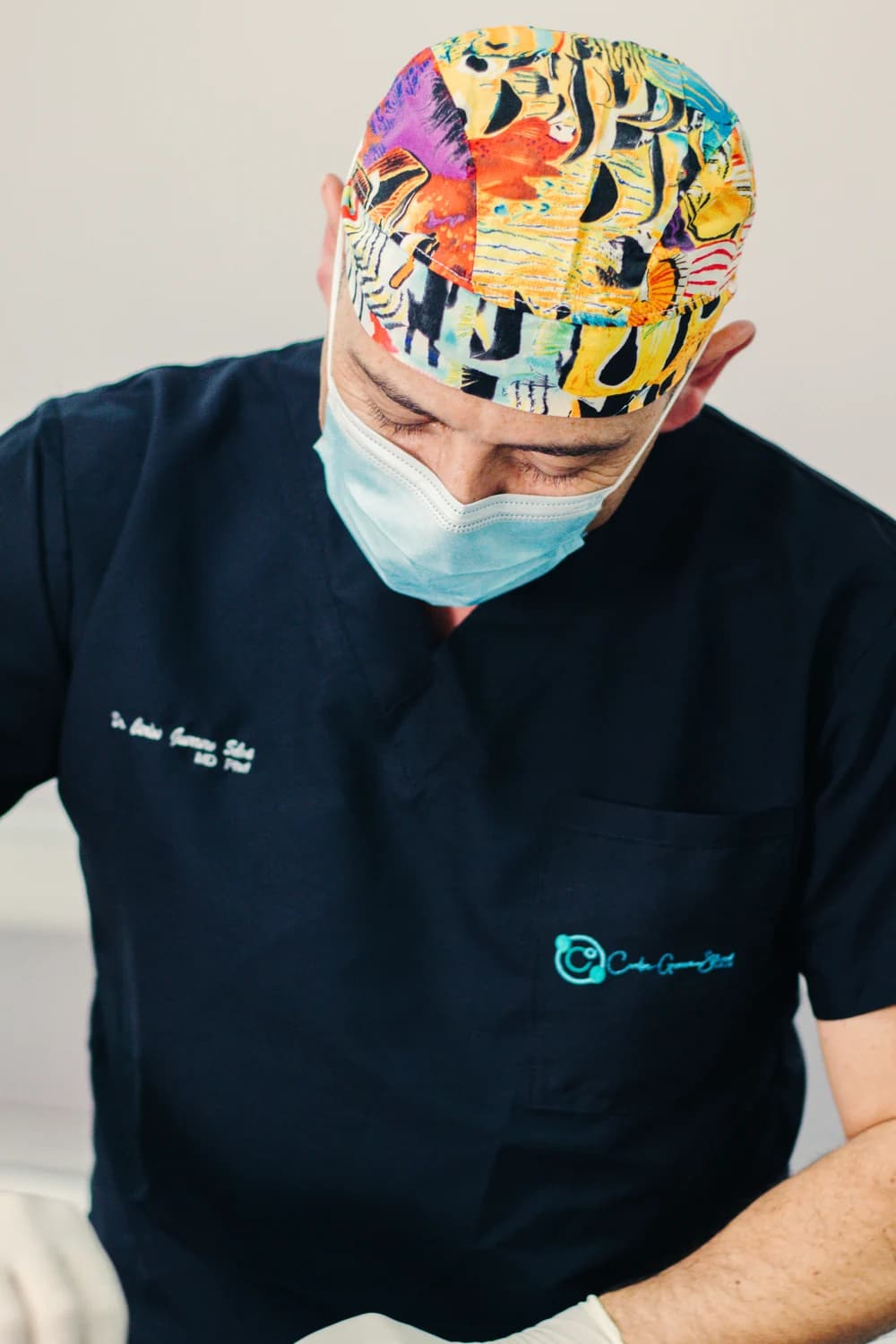
Dr. Carlos Guerrero Silva in surgical scrubs

Dr. Carlos Guerrero Silva

Orthopedic surgeon · Medical director

PhD in Regenerative Medicine and Stem Cells
Cambridge International University, 2020
Diplomate, American Board of Regenerative Medicine
Certificate No. 307, 2022
Orthopedics and Traumatology
Universidad de Buenos Aires · Hospital de Clínicas José de San Martín, 1996–2001

They are joined by Dr. Mónica Díaz (anesthesiology) and Dr. María Paula Guerrero (clinical physician). Since 2014 · more than 5,000 patients from 15 countries, aged 2 to 92.

Meet the team

Frequently asked questions

At what age is treatment most effective?

The earlier it starts, the greater the potential for neuroplasticity. That said, documented benefits exist in adolescents and young adults.

What type of cerebral palsy can be treated?

Spastic, ataxic, dyskinetic, and mixed forms. Each case is evaluated individually based on severity and involvement.

How many sessions are required?

Generally between 2 and 4 sessions spread over 6-12 months, with extended follow-up.

Is it compatible with the physical therapy the patient already receives?

Completely. Physical therapy and complementary therapies enhance the results of cell treatment.

What realistic results can I expect?

We don’t promise a cure. We aim for measurable functional gains, better quality of life, and progress in rehabilitation. The initial evaluation sets realistic expectations.

Is cerebral palsy stem cell therapy backed by real clinical experience, or is it experimental?

At SANAA, it’s applied under a defined medical protocol with individualized evaluation, not as an experimental trial. It’s offered as a complement to physical, occupational, and speech therapy — never as a replacement for them or a promised cure.

Your first consultationlasts 45 minutes

It is with Dr. Guerrero Silva, virtual or in person. He reviews your history and your tests to decide whether you are a candidate and what to aim for with the treatment.

Clinic
Calle 119 #13-45, 5th floor, Bogotá
Hours
Monday to Friday, 8:30 a.m. – 5:00 p.m.