
Quick answer
What Is Involved in Platelet-Rich Plasma Treatment?
Platelet-rich plasma therapy uses a sample of a person's own blood, concentrates the platelets it contains, and applies that preparation to support healing12. Reviews describe it as an autologous product that carries platelet-related growth factors and has been studied in orthopedics, wound care and several other fields13.
Where Does PRP Come From and How Is It Prepared?
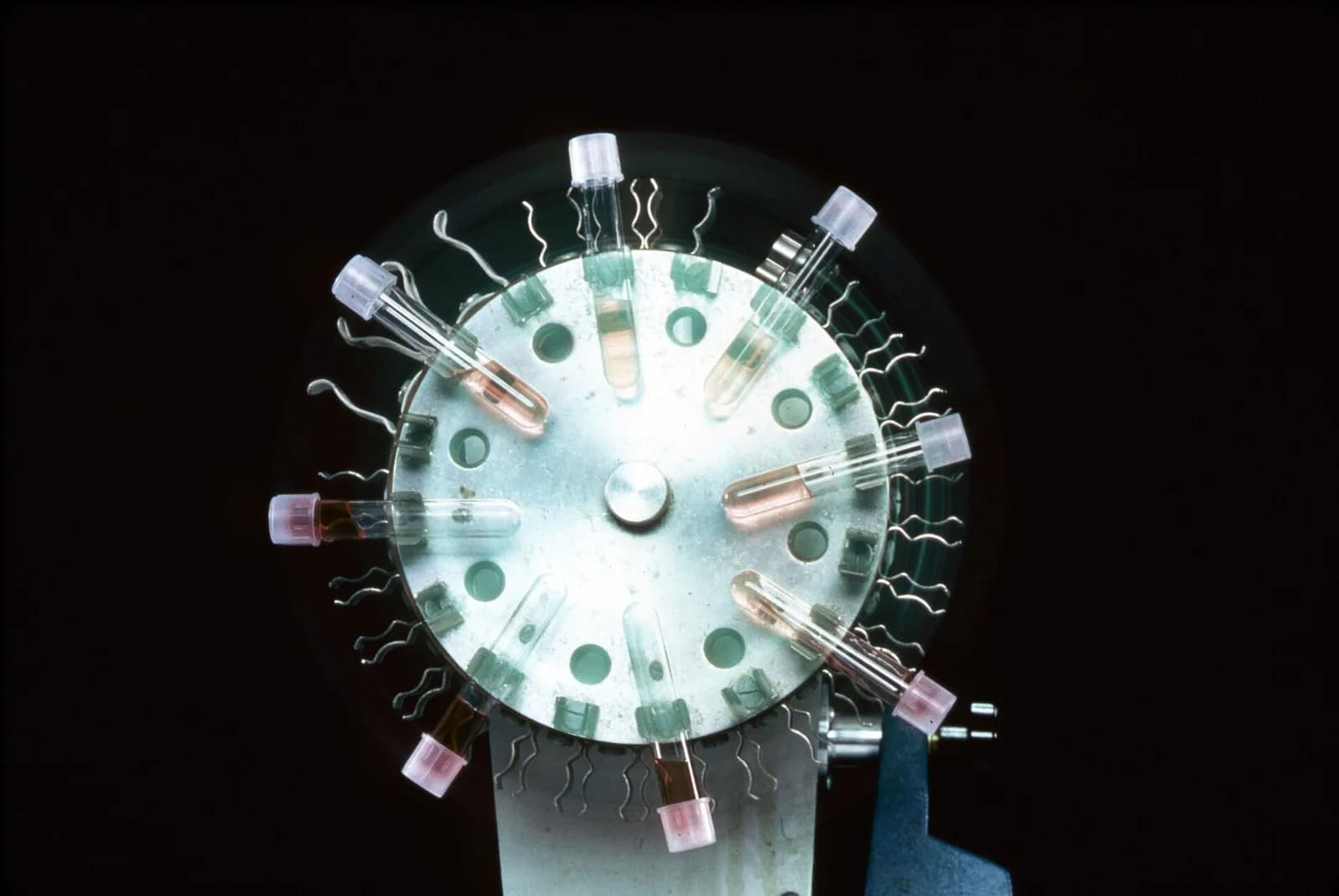
PRP starts with whole blood drawn from the person who will receive it, and centrifugation then raises the platelet concentration in a smaller volume of plasma25. Because the sample is autologous, one review describes its immunogenicity as negligible4, and another notes its autologous origin3.
Platelets are essential for hemostasis and carry growth factors such as transforming growth factor beta-1 and fibroblast growth factor, which reviews link to wound healing, cell recruitment and the growth of new blood vessels2. One review describes PRP as activated to release growth factors and cytokines, with the potential to reduce inflammation and support tissue rebuilding4.
Preparation generally follows three stages: collecting blood, manufacturing the concentrate, and administering it to the patient5. Centrifugation is the step that raises the platelet concentration above that of the original sample25.
- Blood is collected from the person who will receive the treatment5.
- The sample is centrifuged so that platelets are concentrated in a small volume of plasma25.
- The finished preparation is administered to the patient5.
A review describes the production process as efficient and economical when carried out under sterile conditions4. Another review discusses PRP's preparation methods, handling and classification, and notes that standard protocols are scarce, which it lists among the reasons the efficacy of PRP-based therapies continues to be questioned3.
Which Conditions Have Been Studied With PRP?
Reviews describe PRP research in fields that include orthopedics, plastic and cardiac surgery, sports injuries, gynecology, urology and esthetics1. A 2024 review notes that PRP therapy has been applied to help wounds heal and to ease pain across several specialties5, and a 2022 review describes research that combines PRP with biomaterials and mesenchymal stem cells3.
| Field | What the reviews describe | Source |
|---|---|---|
| Musculoskeletal care | The area with the bulk of published research | 2 |
| Wound healing | Studied as a way to support tissue repair | 3 |
| Surgery | Maxillofacial, plastic and cardiac procedures | 1 |
| Medical esthetics | Skin and hair applications | 12 |
| Other specialties | Gynecology, urology and infertility research | 12 |
One review notes that use of PRP in musculoskeletal conditions keeps growing even though the available evidence continues to produce conflicting results2.
Does PRP Help Knee Osteoarthritis and Other Joint Conditions?
For osteoarthritis, a 2023 review reports level I evidence supporting PRP's efficacy, with most published research focused on the knee and much less on the shoulder, elbow, foot and ankle2. In osteoarthritis of the shoulder joint, the review found two randomized controlled trials, both showing improvement in pain and function with PRP; one trial found PRP better than corticosteroids when patients were followed longer, while the other found it similar to hyaluronic acid2.
| Condition | What the review reports | Source |
|---|---|---|
| Knee osteoarthritis | Level I evidence supporting efficacy; most research has focused here | 2 |
| Lateral epicondylitis | Level I evidence supporting efficacy | 2 |
| Plantar fasciitis | Level I evidence supporting efficacy | 2 |
| Rotator cuff tendinopathy and tears | Level I evidence supporting use | 2 |
| Patella and Achilles tendinopathy and tears | Other level I evidence points in the opposite direction | 2 |
| Spinal and hand conditions | Limited research available | 2 |
The same review notes that research on PRP in spinal and hand conditions is limited2. An earlier review adds that PRP can be given by itself or alongside other procedures1.
What Do Studies Show for Tendons and Sports Injuries?
The tendon evidence is mixed2. In rotator cuff injuries, a systematic review and meta-analysis of six randomized controlled trials found that PRP and corticosteroid injections gave comparable results for pain and function when patients were followed over several months to a few years, with corticosteroids performing better in the first six weeks2.
A randomized trial of 99 patients with a partial-thickness rotator cuff tear or tendinopathy found PRP superior to corticosteroids for pain and function at three months, but no significant difference at one year2.
In rotator cuff calcific tendonitis, a trial of 80 patients found worse clinical scores with PRP at six weeks but better scores by the six-month mark, while the groups looked similar when assessed one and two years later2.
In rotator cuff tendinopathy, another meta-analysis compared PRP with physiotherapy alone, placebo injections or no treatment and reported better pain scores over the medium to long term, though function did not differ significantly2.
Across tendinopathies and partial tendon tears the review describes the evidence as conflicting: level I evidence supports PRP in rotator cuff problems, while for the patellar and Achilles tendons other level I evidence points in the opposite direction and does not support PRP2. Much of this research concerns musculoskeletal problems, a category that includes sports injuries12.
What Is Still Being Studied About PRP?
Both reviews point to the same gap: larger, better-standardized studies are still needed13. One expert opinion states that PRP's effectiveness has been studied in many medical scenarios, though large randomized clinical trials remain limited1. A second review explains that questions about efficacy persist, in part because controlled trials with large samples and standard protocols are scarce3.
One review suggests that clarifying effectiveness and establishing follow-up after treatment would be useful5. One review notes that how best to apply PRP therapy has not yet been fully worked out4.
Frequently asked questions
Is PRP the same as a blood transfusion?
No. PRP begins with the patient's own blood, which is centrifuged so that platelets are concentrated in a small volume of plasma before it is administered25. Its early history is linked to transfusion medicine, but the preparation used today is a concentrate rather than a transfusion product12.
How long has PRP been used in medicine?
Hematologists described it in the 1970s, and its use widened through maxillofacial and plastic surgery in the 1980s and 1990s before spreading to orthopedics and other fields12. Reviews note that its popularity in musculoskeletal care grew mainly over the last 10 to 15 years2.
Does PRP help every musculoskeletal condition?
No. A 2023 review reports level I evidence in knee osteoarthritis, epicondylitis, plantar fasciitis and some muscle injuries, but describes the evidence for patella and Achilles tendinopathy as contradictory and not supportive2. Research in spinal and hand conditions is more limited2.